

The Complete Guide to Specialty Coffee and Tea Culture
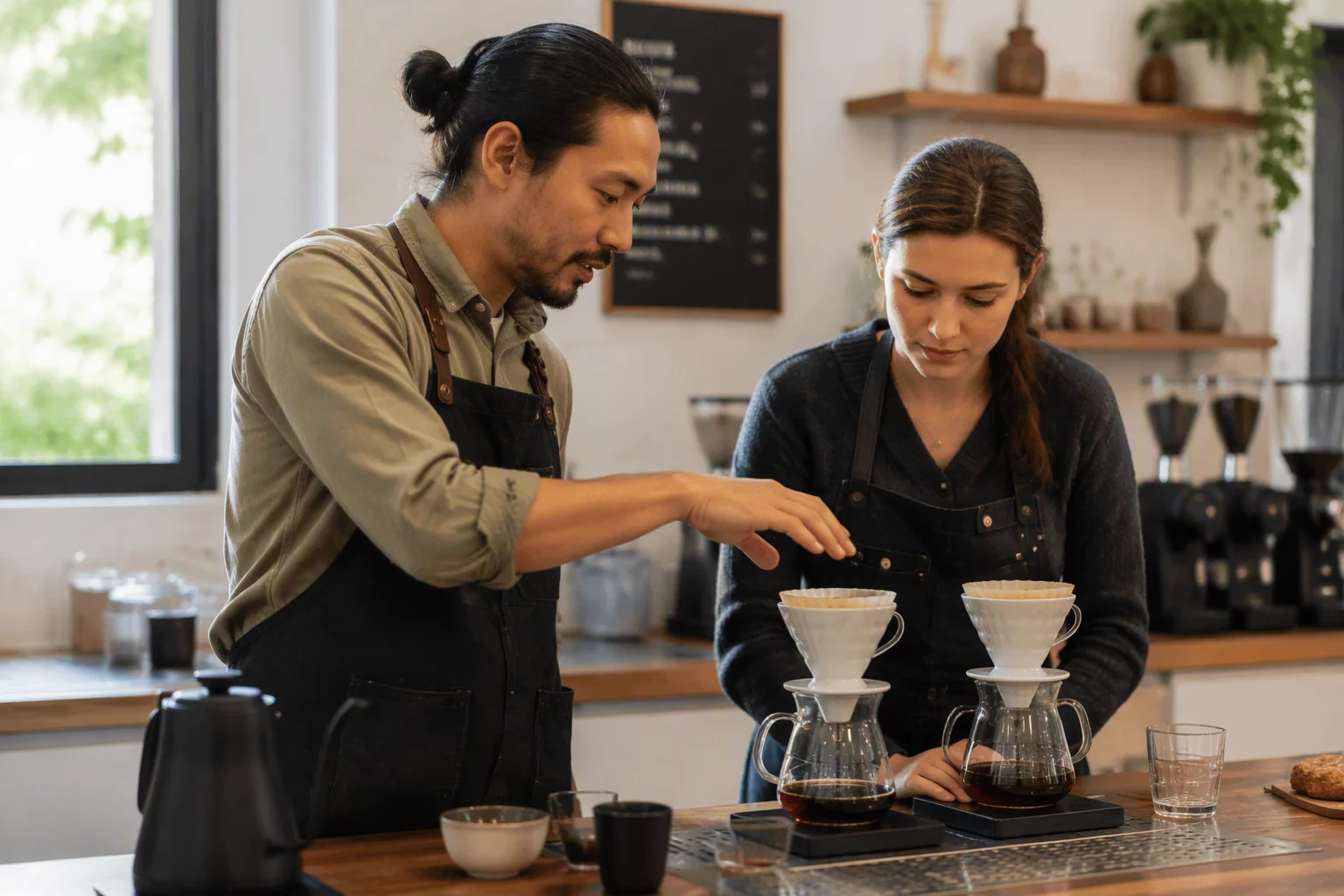
Most people start their journey with supermarket beans and a standard drip machine. That approach works fine for waking up, but it hides the true character of the plant. Specialty brewing opens a door into a completely different sensory world where origin matters, roast profiles dictate flavor, and water temperature changes everything. Dripiqueino exists to guide people through this transformation from casual consumers into informed enthusiasts.
The Anatomy of a Proper Extraction
Extraction is the process of pulling soluble compounds out of roasted coffee grounds or dried tea leaves using hot water. Get the variables right, and the result tastes sweet, complex, and balanced. Miss the mark by a few seconds or a couple of degrees, and the drink turns sour, muddy, or overwhelmingly bitter. Understanding this balance is the core skill of any competent barista.
Water acts as the solvent in this chemical equation. Tap water loaded with minerals or chlorine will ruin even the most expensive Geisha beans. Brewers must pay close attention to filtration and mineral content. Pour the water too fast over the bed of grounds, and it channels straight through without picking up the proper flavors. Pour it too slow, and the water over-extracts harsh tannins.
Temperature plays an equally decisive role in the final taste. Boiling water scorches delicate coffee grounds and ruins subtle floral notes in green tea. Lower the kettle temperature slightly and let the water settle before pouring. This simple adjustment preserves delicate aromatics that would otherwise vanish into the steam.
Tools That Actually Matter
Kitchen gadget stores are filled with useless plastic contraptions designed to separate people from their money. A good brewing setup requires only a few reliable items. The market pushes endless electronics, but the manual approach often yields the best results.
- A reliable conical burr grinder for consistent particle size
- A digital kitchen scale accurate to one tenth of a gram
- A gooseneck kettle for precise pouring control
- A manual dripper like a V60 or a Chemex
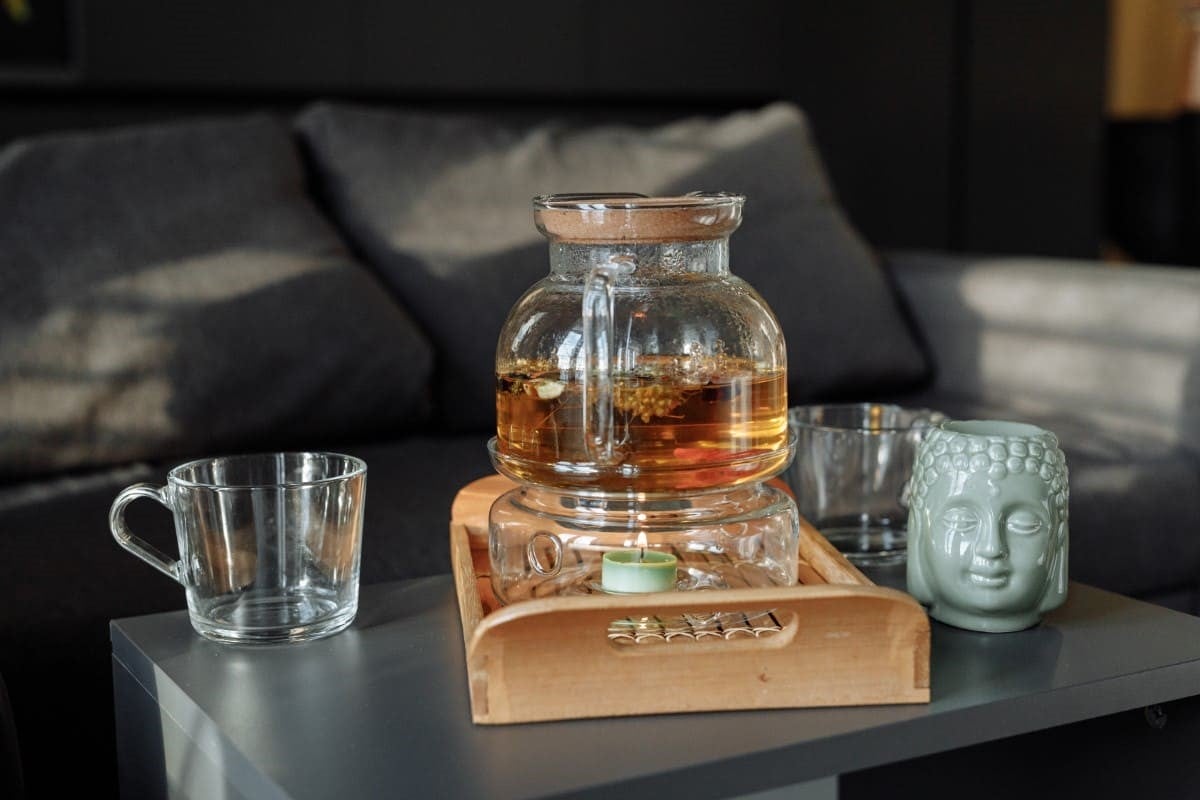
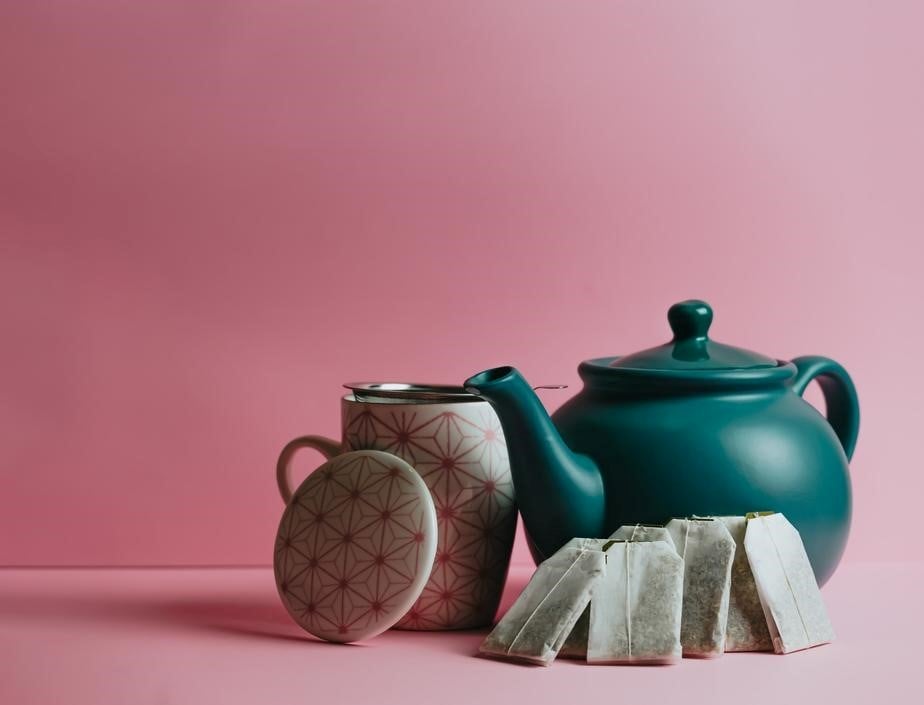
- A ceramic teapot with a fine internal mesh strainer
- An airtight storage container to keep beans fresh
Grinding beans right before brewing remains the single most important habit to adopt. Pre-ground coffee loses its volatile aromatics within hours of meeting the air. Once those compounds oxidize, the drink tastes flat and stale. Invest in a hand grinder or a compact electric burr model, and the difference in the cup will be obvious immediately.
The Quiet Focus of Tea Ceremonies
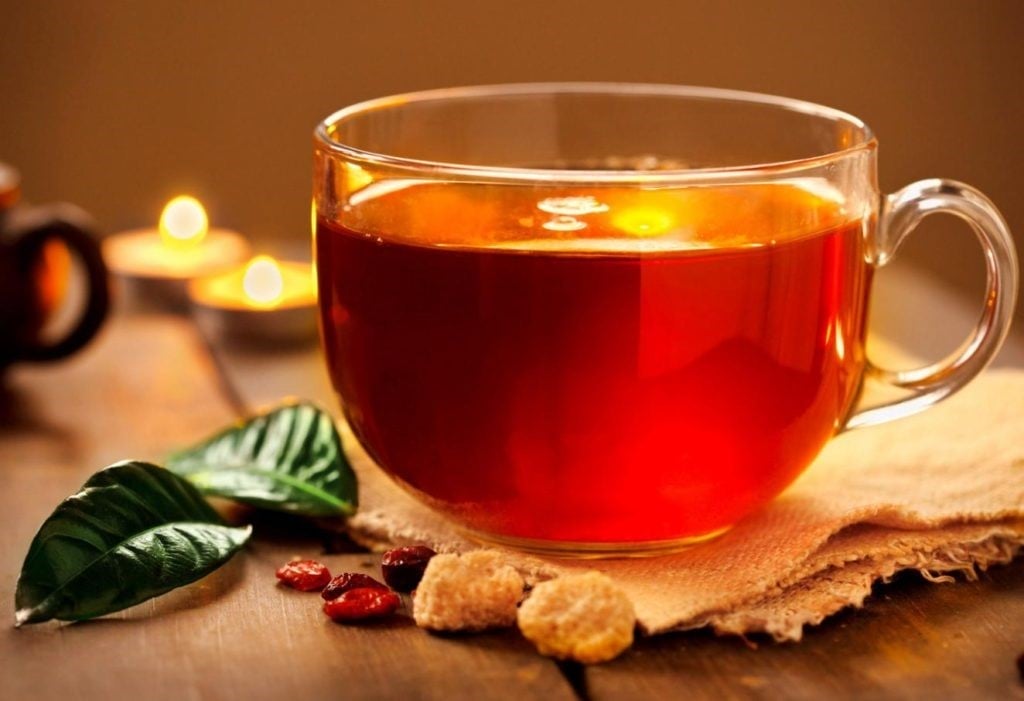
While coffee culture thrives on energy, precision, and fast-paced cafe environments, tea invites slowness and quiet attention. A traditional tea ceremony is not a rigid performance. It is a practical method designed to let the leaves open fully and release their oils without interference.
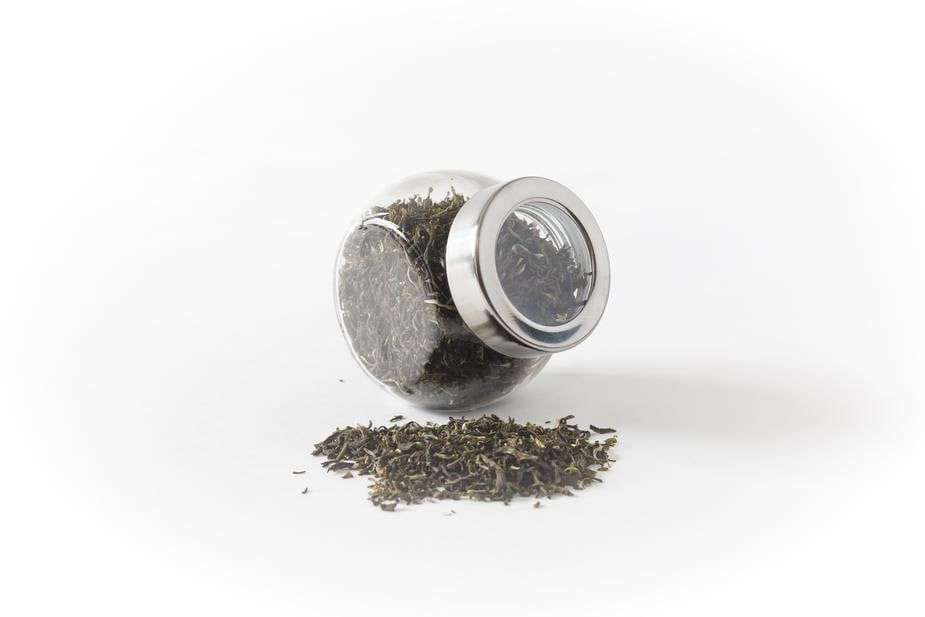
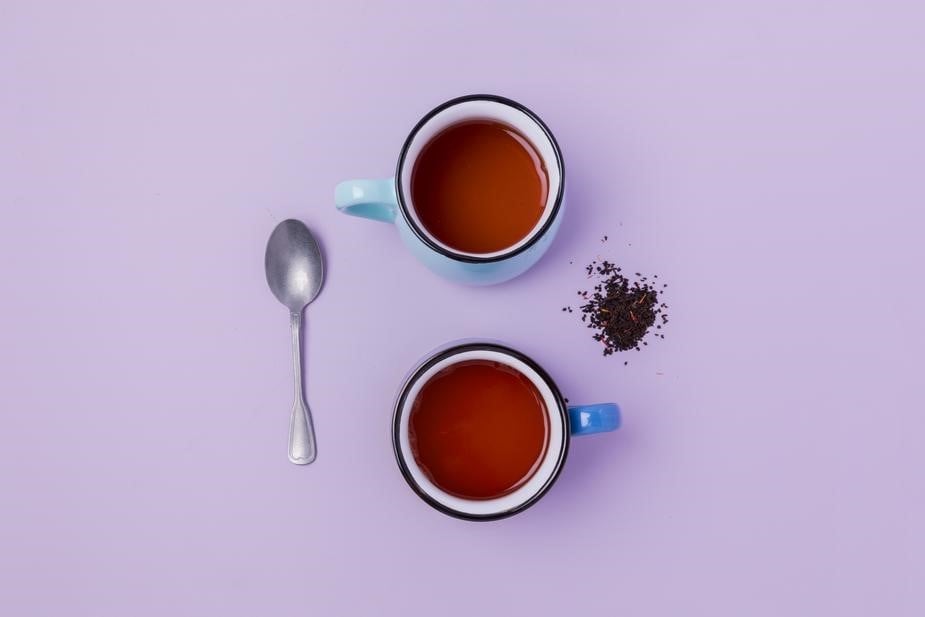
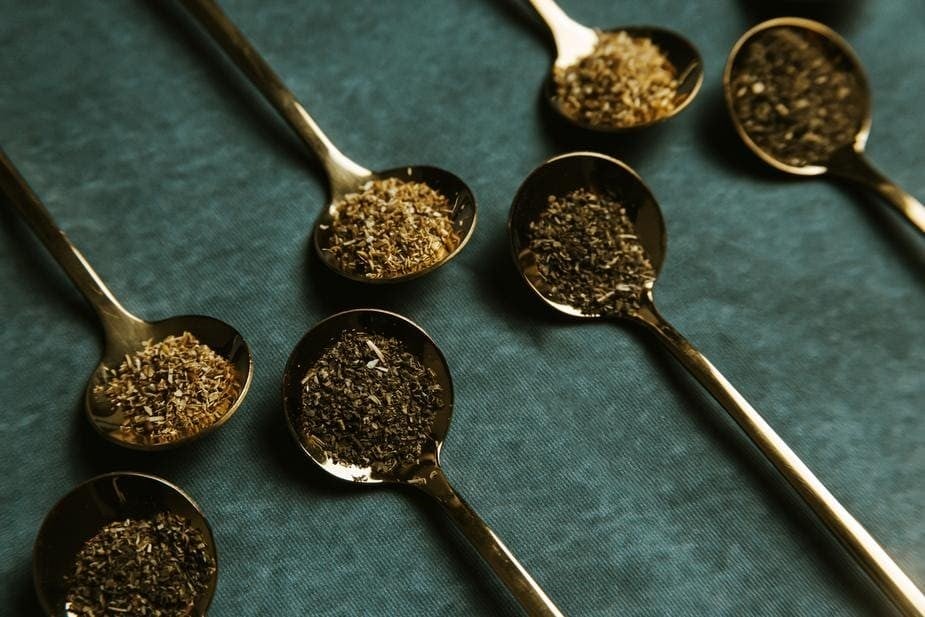
Different varieties demand completely different handling. White tea requires gentle treatment and lower heat, while dark oolongs and pu-erh bricks can handle boiling water across multiple steepings. Watch the leaves unfurl in the pot. They tell a story about how they were picked, withered, and rolled by hand in regions with centuries of agricultural heritage.
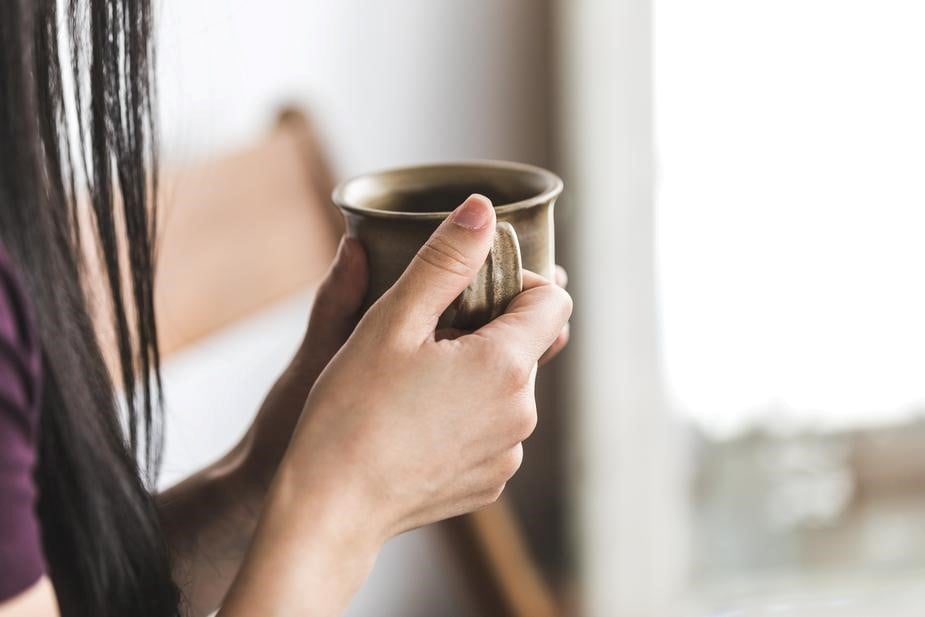
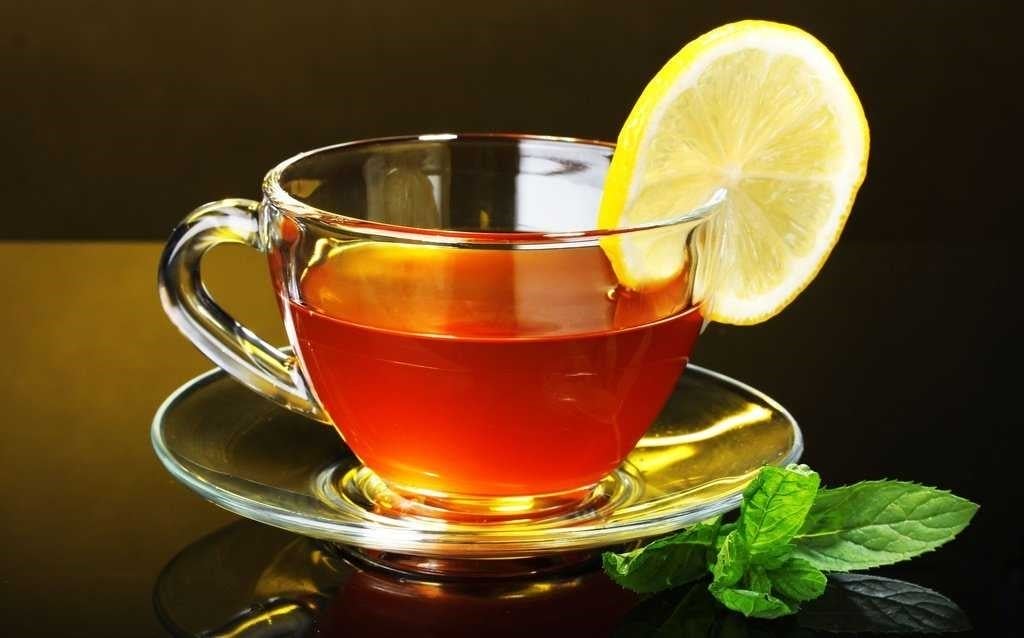
Drinking tea mindfully changes the rhythm of an afternoon. Sit by a window, hold the warm ceramic cup with both hands, and pay attention to the finish lingering on the palate. That sensory awareness is what traditional ceremonies aim to cultivate in everyday life.
Building Your Daily Ritual
Knowledge about extraction ratios and leaf origins means little if it stays trapped in a textbook. Turn these concepts into a daily routine by focusing on one variable at a time. Change the grind size on Monday, experiment with water temperature on Tuesday, and taste the difference side by side.
Mistakes will happen. Underextracted cups will taste like lemon juice and grass, while burnt roasts will coat the tongue in ash. Treat those failures as data points rather than frustrating kitchen accidents. Adjust the dial on the grinder, check the timer, and brew another cup tomorrow with a clearer understanding of the process.
True appreciation for specialty beverages is a lifelong pursuit rather than a destination. New origins appear every season, processing methods evolve, and personal tastes shift over the years. Keep exploring the local market, talk to roasters, and never stop paying attention to what sits inside your cup.

Comments
The tea ceremony masterclass was an absolute revelation. The instructor explained the history and the silent details of water temperature in a way that just made sense.
Elena Rostova
Taking the barista workshop completely changed how I make morning coffee. I finally understand why my previous shots tasted so bitter and how to fix the grind size properly.
Marcus Vance
I booked a private tasting session for my birthday with friends. We had an incredible time learning about flavor profiles and trying rare leaves we had never heard of.
Sarah Jenkins